
By Chlo Hickson
Doctor Who season 2 or series 15 or season 41, whatever you want to call it it happened and … Wow. Full disclosure right off the bat I love Doctor Who more than the average person and I think it’s ok sometimes to be a bit critical and offer different perspectives.
I always try to be the voice of positivity and optimism. I have shown time and time again just how much I appreciate every era of the show, but this time I’m going to have to be more negative. I don’t like being negative, I don’t find it formative, constructive or beneficial in the grand scheme of things.
I think that positivity and optimism is not only needed but better. I generally think it’s a better way to be, but that optimism requires energy. I don’t want to phrase any of this like I’m giving in but the important thing to me is honesty, and honesty and the power that that has, comes from being honest with your own feelings.
You can always control how you act but you can’t always control how you feel, those gut instincts, those first impressions just happen. They just happen, and certain elements to do with this era of the show have definitely hit a nerve with me.
I have a duty to navigate through my feelings and the only way I can succeed with that is by being completely honest with myself so I am.
My episode ranking:
1: Lux
2: Lucky Day
3: The Well
4: The Robot Revolution
5: The Interstellar Song Contest
6: The Story and the Engine
7: Wish World
8: The Reality War
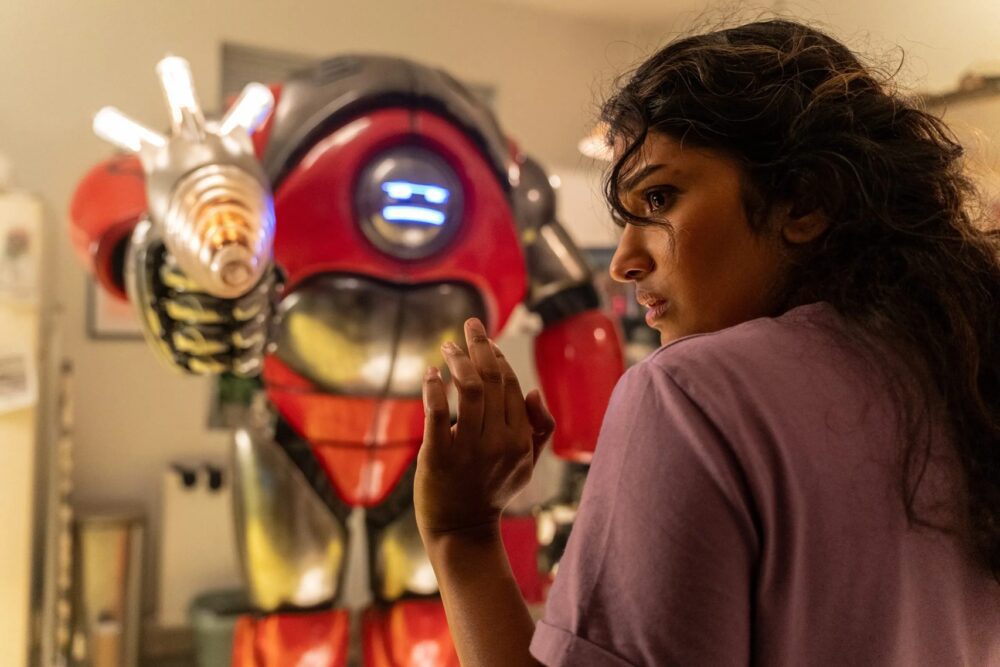
The season overall
RTD what were you thinking? (How is this accessible to new fans???)
Despite the 15th Doctor’s era being marketed and designed as a jumping on point for new fans, just like it rebuilt itself from the ground up all the way back in 2005 with series 1 it’s safe to say that isn’t the case.
When David Tennant was announced as returning alongside Catherine Tate I knew that the show was banking on nostalgia to restore a lot of public interest in the show and I came to terms with it. It seemed to work. But then we entered the “home work” era where new fans would have to research things they were watching to understand what the hell was going on, who everyone is and why it’s important.
Doctor Who is specifically catering to the hardcore fans and with every big piece of lore or returning character, it threatens to slide deeper into obscurity and its becoming so desperate to relive the old days.
When Doctor Who returned in 2005 the obvious aim was to appeal to a whole new audience. Since the fans who had watched Classic Who now have children or grandchildren who had no idea what a Dalek or a Cyberman was, the revival was fully aware of the need to start the show from the beginning, not being able to rely purely on nostalgia and fond memories to carry it forward. It had to rebuild itself from the ground up like it was a brand new show, and this is the biggest reason it was such a big success. Staples of the show like the Doctor, the TARDIS, the Sonic Screwdriver and Daleks were all brought back but in a way that introduced them as completely new. The Autons came back but they weren’t shown to be a legacy villain. You never needed to know anything other then the information the show was giving you. It all made sense as a self contained thing, sure there were Easter eggs like the ‘Invasion’ Cyberman head in ‘Dalek’ but when the Cybermen did show up they were given their own separate origin.
Series 2 used quite a bit of nostalgia but it didn’t feel forced and made a lot of sense in it’s own world. It layered its own foundation of lore and world building as an self contained full series show. Simply drawing in the firepower of existing monsters as tried and true concepts rather than something to point at and ride on recognisability, and that seems to have become a lost art.
One of the biggest reasons Doctor Who has become so successful historically is its pure flexibility. It can literally go anywhere at any time without needing to change much about its format. Each episode we can see a new alien planet, a new time period, or a new space station and it all contributes to this feeling that we’re going on an adventure through time and space. Anything can happen, even the main cast can constantly switch out to keep things fresh and move things forwards. It’s made for the whole family. You can have a terrifying gasmask zombie horror story one week and then have a light adventure with space babies the next.
With all this possibility it’s weird that a nostalgia problem can even happen at all. Doctor Who can get away with being a literal different show every week. There was a distinct effort in the early days of New Who to avoid the kinds of baggage and heavy lore that Classic Who had accumulated overtime. The Time Lords and Gallifrey were wiped out in the gap between the two shows which created a new lore for New Who and removed a whole host of potential issues with continuities. UNIT was reintroduced as if it was a brand new organization, and new iconic monsters elevated each week alongside those ones the Classic fans could recognise. When the Master and Rassilion returned they made an impact because of how much the show had built up the idea of other Time Lords being impossible. It was a big deal not because of their past legacy but because of their payoff to the Doctor’s Time War backstory.
20 years later, I think the show has learned all the wrong lessons from the return of characters like that.
The big success of early New Who was the monster of the week format, a very easy formula that allowed the show to use many different genres with different monsters and threats every week. Really emphasising the variety of everything. Like I mentioned, the Russell T Davies era introduced and established its own lore and entire world building. A self contained over arching narrative and connected universe that would work with or without Classic Who, but its been a long time since then.
And naturally the show has started to buckle under years of lore and continuity.
The 11th Doctor era remained quite self contained, any weird storylines or arcs were contributed to overly ambiguous writing. The most callback heavy episode was ‘Day of the Doctor’ which was the 50th anniversary special and one that was incredibly New Who friendly. Everything from 2005 to 2018 was very self contained and easy to pick up, you could drop someone in with series 1, series 5 or series 11 and the show would guide them through as if it was a new show just starting out.
But then series 12 came along. Imagine watching a show and in it’s second series it suddenly starts throwing random lore in your face. With two characters you’ve never heard of or seen before, showing up and expecting you to recognise them. Despite series 11 being a clear fresh start, series 12 and series 13 are some of the most absolute lore heavy storylines in Doctor Who, relying on a lot of familiarity of the past that its intended audience obviously wouldn’t have. Series 12 reveals that Gallifrey has been destroyed (again), and the Doctor has a lot of previous lives we didn’t know about, there’s also new lore about Tectaun, the Doctor not being a Gallifreyan and being the source of regeneration. Series 12 and 13 are information overload, throwing so much at the audience and making the stories about the Doctor rather than stories with the Doctor.
Doctor Who thrives when it uses the Doctor as a passing wanderer who bounces off characters and a variety of settings. ‘The Impossible Planet’/’The Satan Pit’ throw the Doctor into this chaos and dread as he faces off against the literal Devil in a claustrophobic base under-siege narrative. It’s not about him, its about seeing how he fits into the story and how he can save these people. When you make a story about the Doctor’s origins, things become far less interesting because it’s focusing too much on who the character is rather than structuring a story around what they bring to the narrative.
This isn’t to say you can’t do successful stories about the Doctor: ‘Listen’ works brilliantly as a character study as a need to constantly have a monster to face and an answer to any question. It’s a fascinating episode that balances the narrative around the Doctor himself whilst also still being a compelling story that doesn’t try too hard to define who he is. It’s character driven rather then being lore driven, making things too much about lore takes away from the thrilling sense of variety that Doctor Who has to offer and it becomes even worse when that lore is so nostalgia centric.
‘The Power of the Doctor’ was an episode to celebrate the centenary of the BBC. It acts like it is celebrating Doctor Who as a whole as it’s full of character returns and familiar monsters. The Master is there, the Daleks, the Cybermen, Kate and UNIT, Ace, Tegan, four of the Classic Doctors and the episode ends with even more companion returns. With all these callbacks and nostalgia it loses its track of being the 13th Doctor’s regeneration story. It honestly feels like its tacked on to the ending. The nostalgia elements only crowd the episode and distract from the actual narrative.
And now we find ourselves in an era fully defined by this kinda writing. When RTD returned it was clear that his goal was to bring back the fans with the 60th anniversary. A lot of people had dropped off from the show during the Chibnall era and the show had lost a huge amount of its public presence so Davies decided to bring back the two leads from his most popular era of Doctor Who, it was safe and easy marketing but it definitely made me raise an eyebrow because of the danger of slipping into a reliance on nostalgia.
‘The Giggle’ was essentially meant to be the ending of New Who with everything after it being its own new era. Series 14 was branded as Season 1 and was said to be a completely new slate so you didn’t need to know anything from the shows past.
But just over two years later it hasn’t been accessible at all. Doctor Who has become fully reliant on nostalgia and drawing from the past, weather it be the immediate past like Maestro or the long term past like Sutekh and Omega. Classic Who characters that return as villains in both 15th Doctor seasons are treated like a big return despite not being re-introduced from the ground up and being characterised differently. Clearly relying on name recognition alone.
Russell T Davies is essentially writing Doctor Who for himself now.
The cliffhanger of ‘Wish World’ centres entirely on namedropping Omega as the big bad villain. Omega hasn’t been seen let alone referenced since 1983. I can guarantee that the majority of new fans felt nothing during this cliffhanger because it didn’t have any build up, it’s a name drop that gives you homework to do before you get to the payoff.
The Season 2 finale had two Ranis, Omega and Susan like a fan fiction! The scripts assume that the young audience will feel the same thrill as a hard core fan when the name Omega shows up. Davies was a kid when Omega first appeared on the screen, its obvious he’d have a lot of nostalgia and love for this character.
Doctor Who used to be so good at introducing old monsters for new audiences but now it doesn’t really try. Rather then building memories for the audience’s childhoods, the writers are cannibalising the show to write love letters to their own childhoods.
As a writer its your responsibility to earn the audiences’ affection in that moment. The most frustrating thing is that RTD used to be an expert at doing this. Now he’s just weighing down and overcomplicating his new era more than anything else.
Doctor Who feels like it can’t move on from the good old days, like it’s so desperate to reference old characters, old stories and to bring back previous actors. It’s steeped in needing to find hollow fan service.
And this sort’ve thing gets in the way of telling good, new, original stories and giving characters the room and space they need to be as good as they can be.
For example, Ncuti Gatwa’s announcement as the Doctor felt so overshadowed by David Tennant and Catherine Tate coming back and then his departure feels so overshadowed by his regeneration into Billie Piper. It’s like they don’t have faith in Gatwa as the Doctor, and throughout his two seasons there are so many moments where Mel will bring up her past adventures, where Kate Lethbridge Stewart will talk about her dad or where the Doctor will have visions of his granddaughter.
Even the two season mystery around Mrs Flood ended up being a callback to a past character, and the two big season finales centred around Sutekh and Omega.
These callbacks and references would be fine if they didn’t get in the way of new and original characters. Some of the characters we’ve been getting lately have just felt under developed. Like we have an adventure as we have too but the real story is about how clever these references are to the past Doctor’s and the past stories. I’m obviously paraphrasing but RTD has admitted on Doctor Who Unleashed that with the events on screen you hope it’d generate content.
I’m sorry but I don’t agree. The reason his first era was so loved was because it was so grounded, realistic, and felt like it had heart and emotion poured into it. If your just writing scenes just in hope that it gains a few views, it’s not going to work. Because that isn’t how it works.
I can’t blame Davies completely, the world we’re in now is completely different to when his original era was made so I understand the different approach, but I’m sorry it won’t work. Throughout Seasons 1 and 2 the problems we’ve been facing is it feels as though the story arcs are just there literally to generate content. Never made to wrap things up satisfyingly, Mrs Flood breaking the 4th wall for no reason, the Ruby/snow situation, the whole thing with the lamppost, Omega, Susan, bi-generation. Barely any of it had any effect on our characters. If you make well developed characters with a subtle and satisfying story arcs, that’s the key. Word of mouth will do the rest.
So the show now feels like what’s going to make it go viral, rather than having compelling stories centred around compelling characters, and I feel like this is the exact reason I have more of a connection to RTD’s first season. All the connections to Classic Who, the cameos from old actors, when the story isn’t taking you on a journey anymore. Instead its these moments that people can put in headlines, put on Facebook, and these moments can honestly feel messily put together.
Instead of giving us a good character story to get us invested and form attachments to Gatwa’s Doctor or Ruby or Belinda, I can think back to the 11th Hour and in 45 minutes we know these characters. I just don’t think anything from the past two season can compare to when the show originally came back in 2005.
The characters haven’t had room to thrive and are unable to stand alone as characters or duos, a good example I can think of is 15 and Ruby calling each other best friends at the end of season 1. Were they? I honestly didn’t feel this watching their season.
I mentioned this before, but the irony of them calling it season 1 like its a fresh start but then it being absolutely full of these references to past versions of the show.
I loved watching Gatwa but his Doctor didn’t feel like he had any big speeches to truly shine (bar one with Sutekh). He’s great at shedding a tear, he’s charming and charismatic, he was great at these one on one moments with certain characters where he shows love and empathy but the big moments where the Doctor monologues, the music swells and it makes you get goosebumps and you can literally see this is the same character no matter the incarnation, I don’t feel like we had a moment like that with him. This is completely down to the writing. Ncuti is also the first Doctor never to encounter the Daleks, the Cybermen or the Master which if his stories felt more complete it wouldn’t feel like he missed out on so much. I’ve come away from his era feeling like I wanted more from him or more for him.
It’s also baffling how this era has focused on nostalgia when you consider that if it’s on Disney+ overseas, it means that those who have it have no access to Classic Who or even any of the 9th to 13th Doctors. So how do they expect their overseas fans to know any of these old characters … If they don’t have access to Classic Who which they were a part of?

Leaks! Leaks everywhere!
In todays modern media the leaking of important plot details, castings, and even sometimes, entire episodes have become fairly common and while many productions have increased their security Doctor Who seems to be losing more and more secrecy and it’s affecting the way viewers experience the show.
Since it came back in 2005 Doctor Who has been no stranger to leaks, for example ‘The Timeless Child’ for series 12 was leaked online and I think one of the worst ones we’ve had is when whole episode scripts for series 8 were leaked online.
Although we haven’t got anything like that, leaks have been dreadful recently. Nearly the entire plot of ‘The Giggle’ for example leaked and for the new era it just got worse with virtually every single major plot point or major reveals have been leaked online. The majority of the most recent leaks seem to have been dropped in Youtube comments and came from someone named Andrew who supposedly seems to share a name with someone who used to be a contributor of Doctor Who magazine, though there’s no way to tell if it’s the same person.
Some more examples of things that got leaked are the Doctor meeting the Doctor Who fans, ‘The Well’ being a sequel to ‘Midnight’ and the Fugitive Doctor’s return was part of Andrew’s leaks.
Other things that Andrew mentioned that ended up being correct: Mrs Flood being the Rani and bi-generating, Omega’s return, Susan’s return, ‘Wish World’ starting with the Rani on horseback. The last one is honestly so specific.
So yeah, there’s a long history of leaks but I’ve been a fan of Doctor Who since 2005 and I never once saw the series 8 leaks, I didn’t know that happened until I was talking to my friend about this subject.
If you participate in the Doctor Who fandom, more then a casual fan, it really feels like leaks are everywhere and it’s getting to the point where they’re almost entirely unavoidable.
In a lot of places like Youtube, Twitter and Facebook people are extremely careless with the way that they discuss leaks and potential spoilers and it could just be me but I really feel like it wasn’t this bad. It’s very common for people to talk about leaks very openly, I’ve seen people make posts about what they are with absolutely no warning. A lot of this comes down to people just being unrestrained.
Leaks can honestly make me lose hype for the episode in question. It feels like the episodes aren’t an exciting event and is more something to check out. A good example for me is ‘The Well’ as I was just waiting for the reveal to happen because it was spoilt for me. Knowing some things beforehand can also make you go into an episode with preformed opinions that are hard to shake.
Regardless about how you feel about them there’s this really strong sense of acceptance that you’re going to see them, that they are inescapable. Some people even view it as a risk that you have to accept taking in order to be on social media and I take a very strong issue with that. I completely understand expecting people to avoid social media if they don’t want spoilers for something that’s airing and being live tweeted or something that has recently aired, but I don’t think we should ever get to the point where we expect people to just accept that they’re going to have all these reveals and plot twists ruined for them as a consequence for being online. No one should have to avoid Youtube or Twitter just to prevent themselves from being exposed to a future spoilers.
It’s undeniable that this is affecting the way people are engaging with the show and it’s becoming increasingly difficult to avoid them.
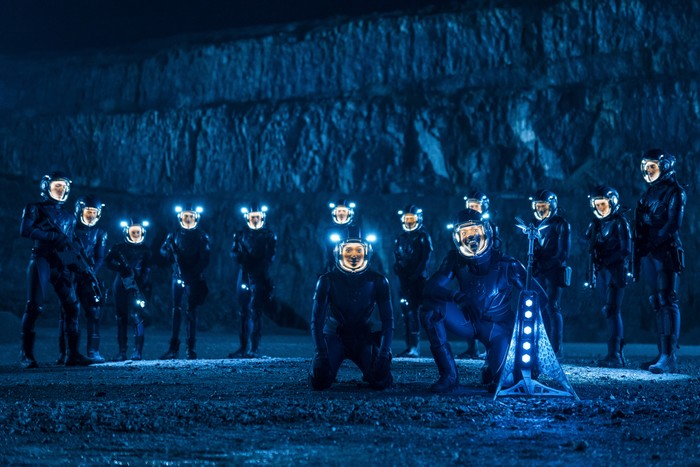
Ncuti Gatwa and his era
Does anyone else feel like we had a very ‘Colin Baker’ run with Ncuti Gatwa? We didn’t have a lot of time to connect with him, his stories were all over the place and for me when it comes to rating them … Let’s just say it’s not as easy as the others.
Before I talk about Gatwa himself, I have to talk about the writing that this era had overall. As I said, I’m comparing Ncuti with Colin Baker but I’m also going to throw Jodie Whittaker in there too as they all did the best they could with the material they were given.
One of the main issues I have with RTD’s 2nd run is he seems to be focusing more on writing ‘lecture episodes’, where they are putting too much emphasis on telling us right from wrong rather than focusing on giving us an actual story. Season 2/series 15 is especially guilty of this. Almost all the episodes pointed at the people who don’t consider people of diversity as being equal. This is sadly the route media, especially Disney, has taken.
As someone who is part of the group they were ‘representing’, I find it exhausting and patronising. I’m all for equality and inclusivity in movies and TV, don’t get me wrong, but there’s a way you can write it without making it the focus.
On the positive side I did feel a much better connection with Gatwa’s Doctor in season 2, as last year it was quite hard to get a proper grasp of what this Doctor was like beyond the fun portrayal that Ncuti brought to the role. There were bits here and there but there was no consistency throughout season 1/series 14 for his incarnation.
Now, he was being challenged by Belinda and we’ve seen through the cracks in his smiles and cheeriness, sometimes that smile is a mask. I love this.
One of the things I liked last season were the glimpses we got into the Doctor’s dark side, but the handling of the Doctor’s grey morality this season felt more ham-fisted and sometimes accidental than last season.
Did anyone else get whiplash when the Doctor seemed to celebrate Alan getting aged backwards into a sperm and an egg and then being hoovered up. Alan didn’t die per se but now it’s like he’s never lived at all and that isn’t something to celebrate even if he was an awful person. The Doctor even recognises that Alan is secretly in pain indicating that there might be some form of redemption possible for him. I would’ve prefered it if Alan regressed into a baby instead so they could take him back to his parents to raise him right, kinda like how Blon the Slitheen got turned into an egg at the end of ‘Boom Town’ and the Doctor took her to Raxacoricofallapatorius so she could get a second chance at being good. Alan’s fate is a kind of blink and you’ll miss it moment but it was still off.
Doctor Who has a long running theme of redemption and renewal with many of its villains at least given a chance to do better. When the Doctor acts out of character by acting in delight after harming a villain it needs to be recognised by the show and ideally incorporated into the Doctor’s character arc.
Which brings me to ‘The Interstellar Song Contest’. I will admit I was quite positive when this episode came out but the more I sat with it the more the execution didn’t sit right with me. After the Doctor has already stopped the ‘villain’ of the story he goes out of his way to electrocute Kid just to cause him pain. Villains like the Master have successfully killed millions right in front of the Doctor but the Doctor has never tortured them or told them how irredeemable they are. In ‘The Story and the Engine’ he gave a second chance to the Barber who wanted to destroy the essence of humanity by taking away all stories because he felt his ambition had been slighted. Surely if the Doctor can show compassion to people that wanted to do bad things by ego he could at least not torture someone who was driven to do bad things by grief. At this point in the story the Doctor doesn’t know the full context of Hellia that has been given to Belinda, I’m not saying that Kid should be allowed to kill 3 trillion people, but the Doctor’s assessment of Kid’s motivation isn’t true. We’re shown that Kid’s reactions are driven by immense grief, pain and anger at the corporation who destroyed his planet who never suffered like his species has suffered unless he does something drastic. This impulse is something the Doctor should understand given he is also a genocide survivor who has been tempted to commit atrocities out of grief and anger. The episode has a brief moment where Belinda says that the Doctor scared her and he has to admit that the threat of 3 trillion deaths reminded him of Gallifrey’s destruction, but while this is a bit self aware I didn’t feel like the Doctor had sat with the weight with what he had done. There was that bit in the finale where the Rani was going to bring back Omega to bring back the Time Lords, but the idea of this barely tested the Doctor’s morality. He kinda just accepts it? What an absolute waste.
And that is the last thing I have to say about Ncuti’s Doctor.
I just feel like Gatwa was only just getting started, and now that that’s over, it doesn’t even feel real. I mean its been 17 episodes (18 if you count ‘The Giggle’), and 3 of those are Doctor-lite.
Its odd that I don’t have the same feeling with Christopher Eccleston’s 9th Doctor as he only got 13 episodes, but he did get a definative arc. It felt like his Doctor had a beginning, middle and end. Now I’m left with thoughts of ‘What could have been’ and ‘What happens now?’
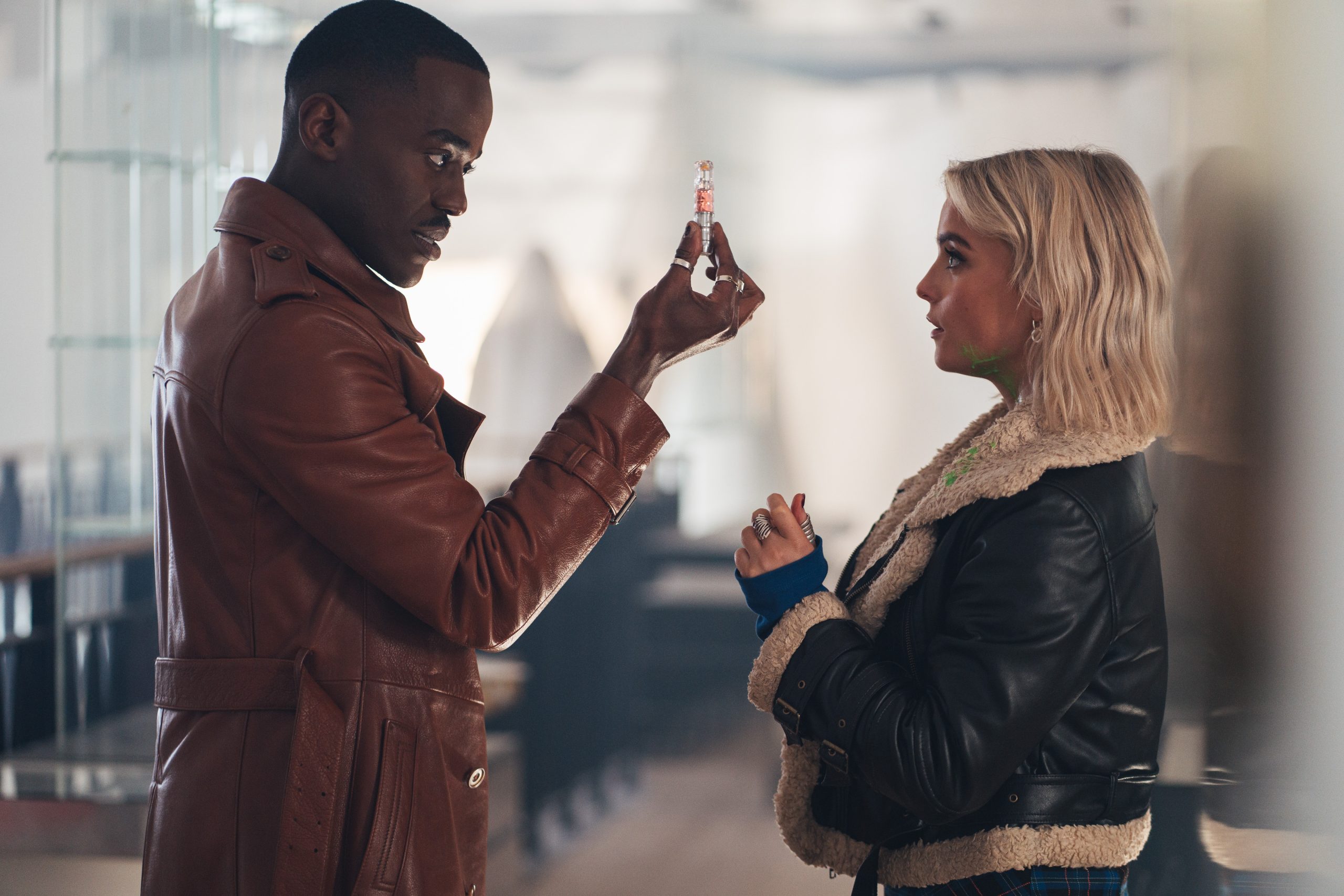
Thoughts on Belinda
Seeing Ruby again in season 2 made me realise how much more I prefer Belinda. Millie Gibson is great and gives us a fantastic performance in both ’73 Yards’ and ‘Lucky Day’, but other than that RTD didn’t give her much character.
At the start of the season – I’ll get to the elephant in the room in a minute – Belinda felt stronger, able to stand up to the Doctor and to form stronger emotional bonds with supporting characters.
To me she is Gatwa’s definitive companion.
But what in the name of Gallifrey happened to Belinda at the end of the season?
When we are first introduced to Belinda, we are shown that she transcends all the typical strong female character ideals and functions as a meta commentary on the shows historical treatment of women, positioning Belinda as a figure who will neither exist solely to support a male lead, nor to serve as a narrative device constrained by the controlling expectations of the shows narrative structure. And across the season she continued to assert this independence and the narrative appears to affirm this. She’s not romanticed. She’s not made emotionally dependent on the Doctor. And then we get Conrad, a man that’s been granted god-like powers and his worldview is steeped in toxic traditionalism. So he reshapes Belinda’s character into a wife and mother.
As a narrative move, this works. She’s clearly unhappy, and the illusion is beginning to fall apart. But then the show puts Belinda in a box … Literally.
A sealed room which she stayed in with her baby for the rest of the story, while the other characters moved the story forward, and from that point on, her role is reduced to a maternal caregiver. Her reality is shifted from single, career focused woman, who isn’t presented as an unfulfilled figure in any way, to a mother who needs to get back for her baby.
She even now seems to wish that she could travel with the Doctor, but she can’t because of her maternal duties and the Doctor – who knows what her reality actually is – seems happy with this. There is a very faint note of unease within Belinda. She says that she feels like she’s forgotten something, but this is immediately dismissed by the Doctor.
And this was the end of Belinda’s arc.
There’s a very problematic message here that even female characters who resist traditional gender roles eventually find fulfillment in domestic life and care-giving.
Belinda, who initially appeared to reject the structure imposed on her by so many of the Doctor’s previous companions, is ultimately repositioned within it.
Her independence is removed and replaced with an ideology that matches female completeness with nurturing, self sacrifice, and emotional labour. This seems to reflect a broader trend across Russell T Davies’ tenure. There seems to be a very narrow view of what fulfillment looks like for woman while he’s showrunner.
Heterosexual romantic patership or motherhood. Rose ends up romantically partnered with one of the many David Tennants that are in the show. Martha is paired with Mickey, Donna with Shaun, and while Ruby currently resists this trend, her arc doesn’t feel complete.
The introduction of Belinda seemed to give us a genuine alternative, not just through strength or through competence, but through the rejection of being narratively defined by male figures. Instead her arc collapsed into the structure that it was critiquing.
What makes this especially troubling is the way it’s given to us. The episode positions this outcome not as a compromise, but as a resolution. Forget Billie Piper returning. It was the sidelining of s female character whose promise lay in her resistance to exactly the fate that the show ultimately imposed on her that dominated the finale for me.
For a showrunner that has been pushing LGBTQ+ representation, pushing representation for the disabled community and challenging our racial discrimination. This is a very weird choice.
Russell, I love you, but what was this characterisation?
It doesn’t end here with Belinda either as the guest writers were only given very basic information about the character, which explains so much.
We have three episodes with a very strong Belinda, then we delete her almost completely in episode four – ‘Lucky Day’ – but then episode six – ‘The Story and the Engine’ – it pretty much ignores her again, she’s pretty much always just in the background and then in ‘The Interstellar Song Contest’ she stands in a hallway. And then we get an absolute butchery of her character.
It would’ve been interesting if she fought her way through Conrad’s wish by herself as she never wanted to be a housewife, she was a career driven woman. She wanted to help as many people as she could and heal them.
What happened???
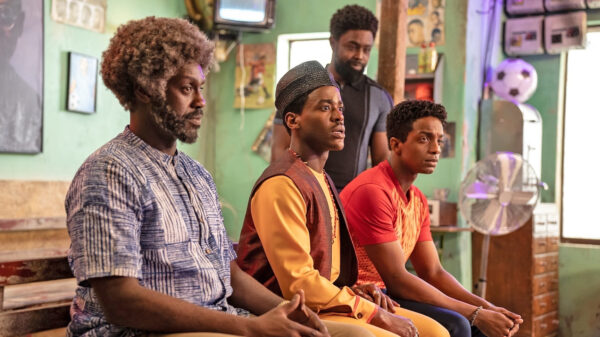
Thoughts on UNIT
UNIT is one of the oldest and most notable recurring parts of Doctor Who with them being first introduced in 1968 and have been appearing pretty regularly ever since.
Recently something has been missing from UNIT, they are a shadow of their former self. There’s a big world building issue in the current era of the show and UNIT is right at the heart of it.
The world building of our ‘real Earth’ is essential for interconnectivity. This started with ‘The Abominable Snowmen’ which introduced the Yeti and Professor Travers who both then reappeared in present day London for ‘The Web of Fear’ which also introduced Colonel Lethbridge-Stewart. One season later we re-visit him as the newly christened Brigadier Lethbridge-Stewart head of UNIT.
‘The Invasion’ was basically a backdoor pilot for the show for its grounded approach and season 7 which saw the Doctor becoming a reluctant part of the UNIT team and thus paying off all that world building as we saw more of the Brigadier and more of UNIT’s members like Liz Shaw, Benton, Yates and Jo Grant. The Doctor even got his own car called Bessie.
UNIT was a narrative means to an end, a way to enrich the cost saving, Earth based stories of the early 3rd Doctor era, but once he could travel in the TARDIS again what was the point of keeping UNIT around?
UNIT was part of modern day Earth for the Doctor and his companions, so why not visit it again? It makes sense for them to show up sometimes. They weren’t nearly as prominent as their time with the 3rd Doctor but they were established and already fan favourites, so it was like dropping in to see old friends.
It made a lot of sense therefore for Russell T Davies to bring the organisation back when he revived Doctor Who in 2005, featuring them as a presence in ‘Aliens of London’ before upgrading their role in the festive special and then properly cementing them as part of his world building in series 4. It’s clear that Davies understood the benefit of having an Earth based organisation like UNIT.
UNIT played a central role at the end of the 10th Doctor era, before returning in series 7 and having a really noticeable presence in the 12th Doctor era. Ever since UNITs return in Flux things just started to feel off.
At first the organization was a small militarily task force with a very domestic focus, basic technology like everyday weapons, jeeps, radios and sometimes a sci-fi gadget. It was always hidden away. They couldn’t do certain things without permission or clearance, explaining why everything usually came down to this small group of recognisable faces.
When they came hack in the early 2000s there was an opposite effect, changing with the times. UNIT was had significant firepower and capabilities now, but no recurring Brigadier type leader.
UNIT would be narratively more important in series 7 to series 10. Arguably being the perfect blend of the two extremes I described before but ever since, the state of UNIT has become quite awkward and clunky. There has been a lot of effort to replicate the same consist cast and homely atmosphere as the organization’s original incarnation. Despite having a more public presence and alien technology then ever before. There’s all sorts of flashy technology like time windows, zeedexs and the Vlinx who is pointless lets be honest. But the most glaring thing is the Avengers tower in the middle of London, UNIT is now Shield.
Despite it narratively making sense that UNIT would be more advanced then ever it betrays the nature of the organisation to have this massive tower. This tower literally has the branding on it because they are now just a known organization in the Doctor Who universe now despite the wider public still not believing that aliens exist.
The Brigadier was the perfect uneasy ally for the Doctor to work with and clash with, depending on the scenario. There was a mutual respect. The Brigadier often conflicting with the Doctor because of his clear knowledge and experience. He could be a bit authoritive at times but he had a clear sense of principle and charm as a counter balance. The Brigadier was the perfect head of UNIT and he was brimming with presence, his daughter not so much.
Seeing as she’s been in 11 stories, who really is Kate Stewart? She is reliant on a character she is related to and therefore compared to. Every episode she appears in the Brigadier is brought up or referenced, lessening Kate’s own presence and authority. Even her stand out moment in season 2’s ‘Lucky Day’ was because Conrad called the Brigadier a coward.
Her main character trait is being the Brigadier’s daughter, as our narrative head of UNIT Kate is a fantastic concept portrayed by lazy writing and severe lack of characterisation. Over 13 years she’s hardly grown or developed, she hardly ever even clashes with the Doctor which is an essential characteristic for a UNIT leader.
One of the important things to do with the Brigadier specifically was how much of an opposition he could be. After all, from his perspective the Doctor could be just as dangerous as any of the aliens that they are fighting. He perfectly toed the line between friend and superior officer, the regular clashes in ideologies and ideas of approach was honestly fascinating to watch but Kate completely lacks this and its a wider problem with UNIT as a whole in the current era.
Kate is a respectful and ally of the Doctor, never really wanting to go behind his back. The closest she’s come to doing so is when she wanted to push the ultimate trigger on the Zygons in ‘The Zygon Inversion’, clashing with the Doctor to great narrative effect. It was a fantastic scene but it was just that, a scene.
If we compare it to the first Davies era the soldiers or other members of UNIT, like Malcom, will go against the Doctor because they think they’re right until he proves them wrong. But now the UNIT cast have no reason to doubt or clash with the Doctor and it ruins and sense of tension.
Even their questionable actions like kidnaping a reporter were throwaway moments and never get mentioned again, or they are there to be laughed off as jokes.
The whole point of UNIT is they are neither good nor bad. They usually have to make a lot of difficult decisions that the Doctor’s morals don’t allow him to make.
UNIT is a dark, flawed protector of humanity and it should be presented as such.
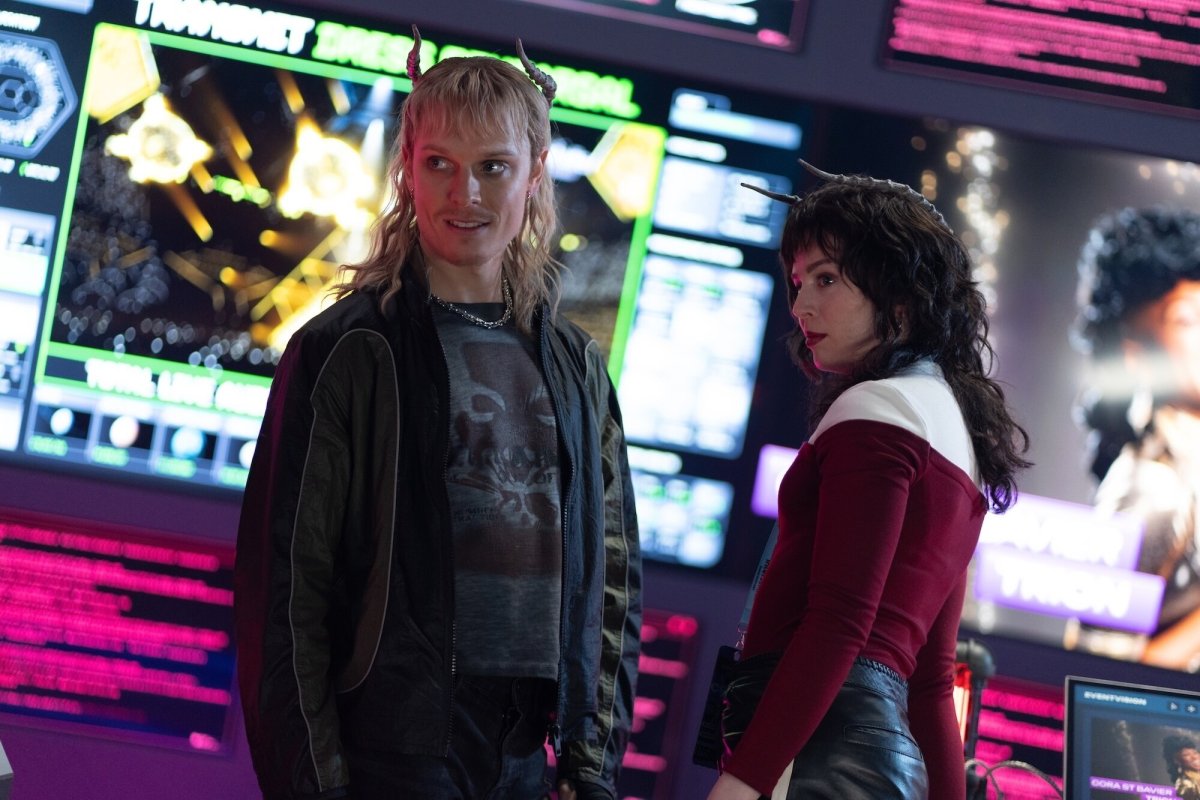
Thoughts on how they handled the Rani
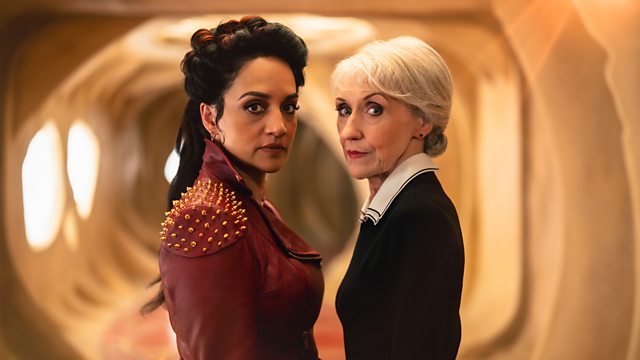
Finally, after 11 episodes the truth about Mrs Flood has been revealed. She is the Rani. The Rani is back in Doctor Who which still feels weird to say.
After Season 2’s finale aired I started to compare the reveal to Sutekh’s. What clues were left in the episodes, seasons, years about her return whether it was exactly like Sutekh with it being completely obvious or not.
So first I’m going to go through all the clues that I missed that pointed to the Rani’s return:
1: In the 7th Doctor’s episode of Tales of the TARDIS they addressed the circumstances of Ace leaving the TARDIS off screen following the end of ‘Survival’ and as part of this we discover that the Rani was involved in that final adventure between the Doctor and Ace. This wasn’t only the first mention of the Rani in this era but it’s also been around 30 years since she’s been mentioned so it was a pretty big development. This one did go under the radar with me, pretty understandable really as a lot was going on during the 60th anniversary.
2: This is technically an honourable mention as it didn’t make it to the TV episode but it’s still in the script. The Rani was going to be mentioned in the bi-generation scene with Mel referring to the fact that she was present for a regeneration but she hadn’t actually witnessed it, and then goes on to explain who the the Rani is. Although it is understandable that this scene was cut, it would’ve added more context for newer fans if they had had this information.
3: Also in 2023 there was an interview with Ncuti Gatwa where they asked what villains he’d like to go up against in his time as the Doctor and answered them with the Rani. Shortly before the transmission of Season 1 Doctor Who Magazine gave us an interview with Millie Gibson where she revealed that both her and Gatwa had watched ‘Time and the Rani’ as part of their homework for the show. Bare in mind that the 2 seasons were being made back to back so this could be because of Bonnie Langford or it could be because of the reveal in ‘The Interstellar Song Contest’.
4: Looking back on it, the fact that the bi-generation is brought up again in ‘Lux’ was possibly a deliberate reminder that it’s still a thing and can happen again.
Now onto the things I did notice:
1: In ‘Space Babies’ the Doctor name drops the Rani. I originally thought this was the first time they named the Rani after so many years but after I went back to do this overview I was clearly wrong.
2: Just like with Sutekh, the promotional posters were a hint as well with there being a lot of pink and red. It makes you think of the Rani’s red jacket from ‘Time and the Rani’.
3: Davies stated that the doors on Ruby’s street are important. Both of Ruby’s and Mrs Flood’s doors are blue, but Mrs Flood’s doors look TARDIS blue. Was this really a clue? Look at the shade of paint a door is? Come on Russell!
I know that whenever we get a mysterious character on the show fans always jump to the Rani, but the Rani is honestly the only character I suspected her to be as Anita Dobson portrayed so many brilliant – as I call them – Kate O’Mara-isms that it was just obvious, never mind the evidence that I’ve written above. She was definitely going to be revealed as the Rani and lo and behold …
I will admit this arc felt a bit too like the Susan Twist one from the previous year, I was also left wondering when the Doctor would notice that she was cosplaying his companions for crying out loud!
At least it all fitted in well with RTD’s trend of having Classic villains return for the finale such as the Daleks for series 1, the Cybermen for series 2, the Master for series 3, Davros for series 4, the Toymaker for the 60th anniversary, Sutekh for season 1/series 14 and now the Rani(s) for season 2/series 15 … And also Omega as a cameo.
Speaking of the Master and series 3 it was like they tried to re-capture the magic of that reveal. They teased Harold Saxon in the special and then throughout series 3, which made the finale insane. This though was very on the nose. Like throughout the season Anita Dobson has been popping up and it’s been obvious she’s been up to something and so when the reveal happens it was kinda meh.
And now on to the final thing I have to say about the Rani … Omega ate the Rani. I can’t believe that is even a sentence I have to say or write.
Mrs Flood escapes which it could be good to see Dobson’s Rani again but what I can grasp about bi-generation as it was explained so poorly is that if she dies then The Rani is dead … So, Russell you brought back a character that hasn’t been seen for about 30 years and you had to fight to get the rights to her just to kill her off? I can’t understand the motivation, I honestly can’t.
Archie Panjabi’s Rani was the Rani that could regenerate again and again etc but you had Omega eat her!? What am I even saying?
Well … I don’t know how we’re ever going to see the Rani again in Doctor Who, thank you Russell!
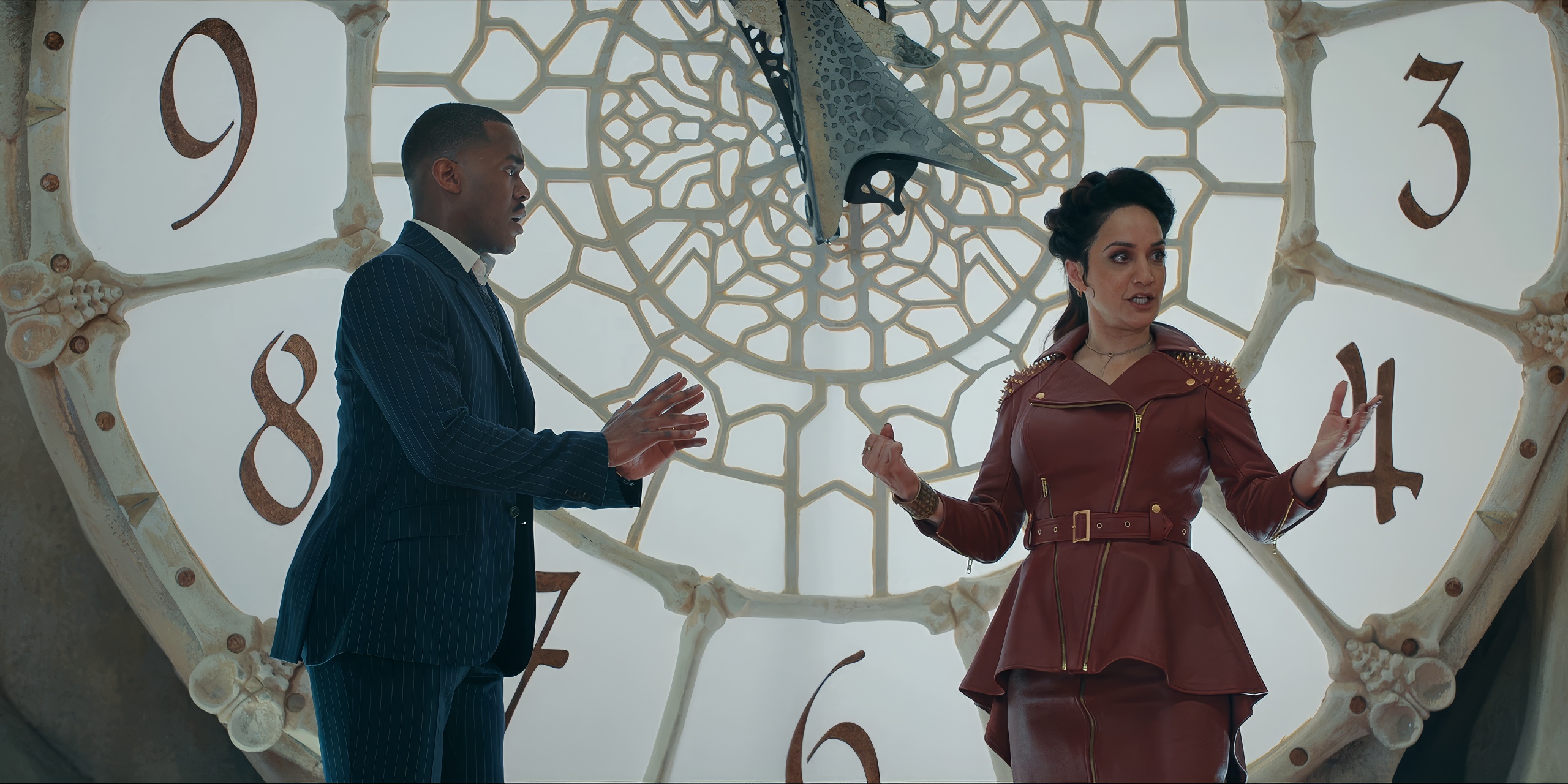
The future of the show (The Disney deal)
One of the things I value most is honestly. I will say it how it is, regardless of how it is because there is no point in lying at this point.
Do I want Doctor Who to be absolutely fine? Yes.
I sympathise heavily with the people that claim the show is perfectly fine and in a healthy state and everything is going to be fine. I have been there.
But first I have to be honest, I’m always going to say it how it is and this time is no exception so let me just say it Doctor Who is cancelled … For the foreseeable future. I do think it’s done for now.
And I’m going to explain why I’m saying that:
Russell T Davies has moved on to other projects, no new seasons have been commissioned and he’s left his column on Doctor Who Magazine, basically saying goodbye.
Ncuti Gatwa has moved on, Billie Piper filled in for a cameo but her identity is still up in the air.
So yeah, we have no showrunner and no confirmed Doctor. It has been three months and we still have no word on anything!
I think this is what I resent, that lack of transparency. I don’t think fans and audiences are entitled to everything that goes on behind the scenes because realistically it’s not our business, but let’s just talk about The War between the Land and the Sea because whether or not I think it’ll be good doesn’t matter. The point is, the reason they haven’t made any announcements or said anything is because they don’t want to sabotage this show.
I get that. They have a duty to look after their show, that’s their job, they need to finish their first deal but by the end of it it looks like it’ll be their last deal.
They can’t tell us the fate of the show because they still have The War between the Land and the Sea. That makes sense from their perspective but as a fan of Doctor Who I am disappointed with the way they are handling this situation.
I have gone through the cycles of grief and I’m at the acceptance stage but I never actually admitted to myself what I was grieving because I was grieving Doctor Who, I am grieving Doctor Who. It is a part of me, it’s a part of who I am because I have spent the last 20 years with the show and I’m sure I’m not alone with this.
We all know why they aren’t telling us the truth, so the fans can be strung along, can be held in a state of maybe. And this is why I sympathise and empathise with the people who are desperately clinging onto the show and insist that its not over. It’s not their fault, they are being kept there intentionally.
They should just call it.
I also want to bring up that I honestly don’t know who to blame when it comes to who was handling the cancellation rumours, because whoever it was should be fired. The constant mixed messaging from treating it like it’s the biggest show to doom filled comments on social media, the news on TV, newspapers etc …
Doctor Who means so much to so many people. The constant mixed messaging is infuriating!
If the show is okay then they should’ve come out and made an official announcement, the same goes for if the Disney deal will or won’t be continuing with a season 3.
We know for a fact that the last two seasons significantly over promised and under delivered. I can’t help but feel frustrated. I wish season 1 could have had the same quality of stories, then maybe things would have been different.
Does anyone else get a sense of deja vu when thinking of season 2/series 15 and season 26 of Classic Who? They never officially cancelled the show in 1989.
Who’s ready for the 2025 version of ‘Doctor in Distress’?
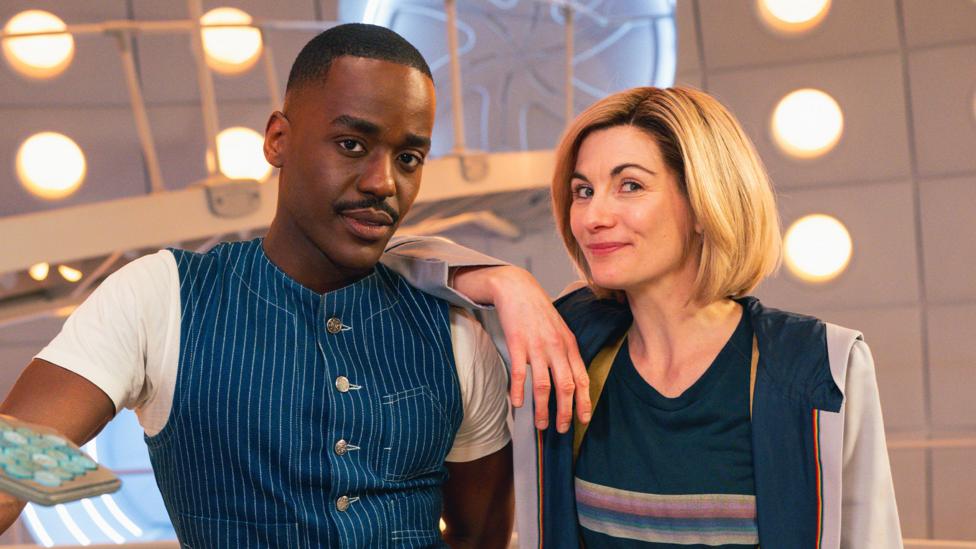
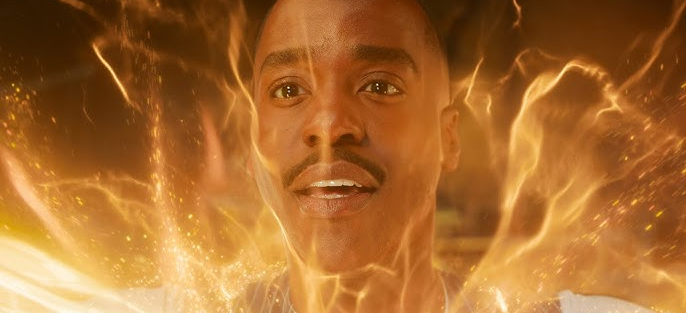
Billie Piper’s return
Does anyone else think the casting of Billie Piper as the Doctor is a betrayal? Yes, I know she could perhaps not be the Doctor as she isn’t actually credited as such but I honestly I hate this decision.
It’s what it represents for the show. If Gatwa wanted/had to leave they should’ve started the regeneration and then let it cut to black so we didn’t see the next incarnation.
To me bringing back beloved actors to play a new incarnation of the Doctor (like Tennant) is an omission of defeat, it’s an awful idea. I had major criticism about the 14th Doctor but I enjoyed the 60th anniversary and now … Just two years have gone by and I’m ticked off with the show.
If you know me you’ll know that I think Classic Who is far superior to its modern counterpart, that said I can name a few episodes in the early modern series that rival the Classic episodes in storytelling. But Doctor Who became far too obsessed with its past which marked a turning point for me.
And then we get to season 2. A sequel to ‘Midnight’, a sequel to ‘Robot’ (Think Tank taking on UNIT again), the Fugitive Doctor’s back, Susan’s back, the Rani is back, Omega is back, the 13th Doctor is back and now Billie Piper is back.
This is the last gasp, the show’s final episode which is before a likely hiatus if not full on cancellation. The only positive spin I can put on this is that the revival started with Rose/Billie Piper and it’s going to end with her which is bittersweet.
Series 1 of the 2005 revival of Doctor Who is one of the show’s strongest, and part of this is because it addresses many of the complaints that Classic Who received. The main one being that the embodiment of the companion is sexist. This hasn’t really gone away but that was something that dated the show, it was the role the companion played in the story as a female assistant.
I don’t believe this role is sexist, but part of the reason series 1 was so good is that it addressed all of these criticisms. Another one to point to is how they redeemed the Daleks.
But the story is about Rose, by providing a character that not only is an equal to the Doctor but is actually the eyes of the audience. She is the reason new Doctor Who worked. That attitude to character has reformed how the show fundamentally operates and now we’ve thrown all that away to say actually being the companion isn’t as good, that’s inferior to being the Doctor, you can’t be important unless you are the Doctor.
It completely misunderstands the whole point of Rose as a character. The Doctor and Rose are different characters. They fulfil completely opposite roles in the story. It’s yin and yang.
The only thing I can think of that’s worse then making a previous Doctor a new Doctor, is by making a previous companion a new incarnation of the Doctor.
This is no shade to Billie Piper as I love her as Rose, she’s actually one of my favourite companions, but this is one of the worst decisions in Doctor Who‘s history.
Lingering plot threads
It’s that time again to look at what we have hanging after the end of the season. I am starting to believe what Davies said about just doing this kind of thing for the internet buzz it’d create, which I’m sorry, isn’t how you tell a good story!
We’ve probably got more than those I’ve mentioned below if I’m being honest, but these are the plot threads coming out of Season 2.
• Susan! Why introduce a legendary character randomly? Teasing that we’ll see her in future events, then not even mentioning her in the finale, when this incarnation of the Doctor hasn’t stopped mentioning her since he pretty much got introduced to us?
• The Doctor doesn’t rescue or say goodbye to Rogue, what was the point of him telling the Doctor to find him like it was setting something up?
• No legitimate explanation for bi-generation, especially seeing as we had two bi-generations and then they went back to normal regeneration, what was the point … Shock factor? For publicity?
• Who the hell is Ruby’s dad? We have unfinished business with Ruby and we haven’t got the answers.
• The Master trapped in the tooth?
• What about mavity?
• The Meep, Anita and Rogue (don’t know if it’s the same person but I’m going with it) have mentioned the ‘boss’ and we are still waiting to find out who or what this person is.
What I want to see in the future
As much as I adore Doctor Who it is in no way perfect, especially at the minute. For this reason, I’m just going to have a bit of an honest talk about the show and where it currently stands for me.
If I’m being completely honest about it, modern Doctor Who is something I’ve been struggling with. And this is for various reasons. Compare the show to the Classic series, Big Finish, the novels and the early version of the new series, then I feel less connected with the stories, with the writing, the execution … Pretty much everything has gotten worse and I’m still raging inside about what they did to Omega.
They are bringing back these awesome villains and the amount of lore surrounding these characters is immense, and the fact they didn’t use it at all and just kill them off screen in a few minutes? It boggles my mind!
With the execution all I can think is, what was the point? Honestly? These are the big bads of the season, we definitely got it with the Daleks in ‘Bad Wolf’ and ‘The Parting of the Ways’ that hit you like a truck and what it made the audience feel while watching it, it was dark and bleak. I love those episodes. It really emphasized that the Daleks were a force to be reckoned with. Do you get that with Omega? People complain about Sutekh but you can’t deny Omega was worse!
The politics is another issue for me and not in the way you’re probably thinking, the politics is one of my favourite things in Doctor Who. Especially in the Classic series and the novels as they can be very full on, but when I compare this with New Who it just doesn’t have that edge, that magic to it. It just feels very artificial and dumbed down, you might say this is because it’s a kids show but it did pretty well with the early series of New Who. I just love those types of stories. ‘The Silurians’, ‘The Green Death’, ‘Genesis of the Daleks’. Just to name a few good TV examples.
For some reason I just don’t think they get the politics right anymore, it can be quite jarring and really dumbed down from how it used to be written.
So what I’m loving about Doctor Who at the minute it’s in the Classic series, it’s in Big Finish, it’s in the books and it’s in the early version of New Who. But within the new era … it isn’t completely there for me. I think social media is another reason why I feel this way as it can make the fandom look really nasty sometimes as it’s not strictly just to do with the show, it’s just tainted anything to do with Doctor Who on social media and personally I don’t want to be associated with that kind of thing.
I understand that in the Chibnall era they lost a lot of viewers so they wanted to put the show back in familiar hands, but if the show is to go forward I think we should have someone new and young to run the show with new ideas. Take it in a new direction that is forward thinking rather than stuck at looking at what the show used to be.
I honestly think the show should go on a hiatus as this would be beneficial overall.
It would give the people in charge time to sit back, relax and have a look back at what they’ve done and work out what were good choices and bad choices and hopefully come back stronger when they do.
It’ll also be good for the fans as it gives us all time to calm the hell down and it’ll bring in a second wilderness years. If you don’t know, the wilderness years were the 16 years between 1989 when the last episode of Classic Who aired and 2005’s reboot. There was also the movie with Paul McGann in 1996. This is when fans said right we love Doctor Who, what can we do? So companies like Big Finish sprung up, there were fanzines, fanfilms etc …
There’s lots of fanfilms at the moment to enjoy (I’d personally recommend DW2012 on Youtube). There’s fan channels and podcasts, Big Finish was created by fans and now they are the biggest and best Doctor Who audios out there.
With all this in mind, fans are going to have a heyday, they are going to put their mark on the show as they see it and yeah it’ll be fan stuff but I am positive that original things will come out of it with this new hiatus. It’ll be fresh, exciting, different, entertaining and most importantly fun.
So what do I suggest to help the show other than give it a break?
It needs to go back to basics. The show should be mainly sci-fi. Gothic horror – like the Philip Hinchcliffe era During Tom Baker’s run. Earth based mysteries etc.
When it comes to companions I’d like to see another alien one as we haven’t had an alien companion since Nyssa. Also some fans won’t like me saying this but no shipping, let’s not have the Doctor fall in love with everyone. I want to go back to the time when the Doctor wasn’t shipped with anyone. They don’t have to fall in love with everyone, come on!
Have fewer lore changes. In recent years the show has undergone numerous major changes to it’s lore – Timeless Child, the destruction of Gallifrey (multiple times), bi-generation just to name a few. The show needs to return to something more grounded. By taking a break from constantly redefining the mythology, the show should return to the mystery at it’s heart(s). The simple but old question: Doctor Who?
Return to Classic Davros. Sorry Davies but it is offensive (I say this as a person in a wheelchair).
Cameos from previous Doctors, I’m not saying to have them in multi-Doctor stories as that’ll be double Dutch from what I talked about earlier. Obviously a lot of the previous Doctor actors are getting on and looking different so why don’t we bring them back as other characters? Wether it’s a good character or a villain. Stuff like that. Let’s see some more from these actors.
We need to go back to thirteen episodes per series. They can be mostly stand-alones, we can have a proper arc. The eight episodes we’ve currently got would work best with a series long narrative like Flux. I’d say ten at the minimum for episodes as it gives us that little bit more time with the characters we’re supposed to be invested in and getting to know but because of the run time and episode count we can’t do this successfully. Something to be learnt from Flux, use titled seasons instead of numbered ones could make the show more accessible to new fans.
This one might be a hot take but use less CGI, more SFX. The show has become overly reliant on CGI, which not only takes a lot from its budget but also detracts from Doctor Who‘s identity. Embracing the show how it used to be would restore some of the show’s quirky charm.
Have fewer characters. One of RTD2’s main problems is its overstuffed cast. UNIT is a prime example. If this was approached more strictly, Rose would have stayed within the 60th anniversary specials, Susan Triad wouldn’t have returned for season 2, Mel would’ve been a one off and Kate would stop offering everyone and their daughters a job at UNIT.
No more weird show times like 12am and 8am. I don’t care if this was just for the people that wanted to stream it at the same time as America etc, whoever came up with this idea clearly didn’t remember what happened to Classic Who when they put it up against Coronation Street, the BBC literally changed the scheduling so the show would die. How did Doctor Who stand a chance? This is a big reason the show failed in ratings.
And final thing, have more than three years with each Doctor. Give the Doctor time to show us who they are in the first series, a couple of series of good and engaging stories and then their last year is when we start preparing for a regeneration. This will give us more then three years of character development. Get rid of bi-generation, when the Doctor regenerates that is it. Let the new actor stand on their own and not be overshadowed by the previous Doctor floating around somewhere like Tennant.
Obviously not all of these ideas are realistic but if Doctor Who were to use even a few of these ideas, I believe it could lead to a genuine and lasting change.
No matter what the future holds, I want what’s best for Doctor Who and I’ll continue to support it every step of the way.
Conclusion
When it’s all said and done, I will admit that as a tie in end to Gatwa’s era, it was pretty good. Well it was the best we were going to get under the circumstances. I’ve liked the themes of family and upbringing, so for the Doctor to sacrifice himself to save a child felt very fitting and beautiful with this eras themes.
I just want to say whatever happens with the TV show, I like that RTD gave us some interesting new stories, communicates openly about the show on social media (well, while the episodes were airing anyway), brought back the proms, and for a year or two made Doctor Who feel like it was everywhere again.
Doctor Who being cancelled is never a real possibility. The real question is how long will the hiatus be? But no matter how long the break, I think I speak for every Doctor Who fan when I say when Doctor Who returns, we will be there.